Cessna Parts and Maintenance
We deliver FAA 8130-3 certified airworthy parts for Cessna aircraft.
AAI is an FAA and EASA Part 145 repair station offering inspection, rapid repair, and overhaul services across the full Cessna piston and turboprop lineup.


Cessna Models & Variants
Cessna is the most widely flown airframe family AAI supports, spanning single-engine trainers to cabin-class twins and turboprops. Whether the aircraft is a two-seat trainer or a corporate twin, every part system covered below follows the same certified inspection and repair standard, with variation limited mainly to part number and attachment geometry by model.
AAI supports maintenance across the lineup:

Kevin Allen
President and CEO at AAI
Kevin Allen is CEO of Aircraft Accessories International, an FAA- and EASA-certified repair station in Georgia that overhauls and exchanges hard-to-find accessories and landing gear for general and business aviation aircraft. Since AAI’s founding in 2013, the company has focused on fast turnaround, transparent pricing, and certified parts that get grounded aircraft flying again.
Cessna Intro
For more than 90 years, Cessna has produced more general aviation aircraft than any other manufacturer, from the two-seat 150 to cabin-class twins and the turboprop Caravan and Conquest.
Keeping any Cessna flying depends on a handful of interconnected systems: landing gear, wheel & brake, fuel, electrical, hydraulic, mechanical, and pneumatic. Each has its own parts, wear points, and maintenance intervals.
At Aircraft Accessories International (AAI), we work on Cessna aircraft components every day as an FAA and EASA Part 145 repair station. This guide walks through the Cessna models AAI supports and what owners, mechanics, and fleet managers should know about maintaining each of the aircraft's core systems.
Cessna Landing Gear Services
Cessna Landing Gear Compliance
The Cessna 208B maintenance manual approves blend repairs on the 208B's MLG center spring, main gear spring, and trunnion assemblies, but only in very isolated areas and measurements. Because of these limits, most corroded components fall beyond what the manufacturer allows AAI to repair using standard methods, which is why AAI pursued its own FAA approval to repair corrosion on these parts, including at the spring interface areas and center spring and trunnion interface areas.
Operators are required to inspect the landing gear per maintenance manual Task 32-10-00-220 (Main Landing Gear Detailed Inspection) and Task 32-10-00-221 (Center Spring and Main Gear Spring Interface Area Special Detailed Corrosion Inspection and Repair).
Cessna 208B Grand Caravan Landing Gear Corrosion
The Cessna 208B Grand Caravan is built for rough, unimproved airstrips, with large rough-field tires, high ground clearance, and rugged landing gear construction. Because the landing gear is exposed to constant environmental stress, corrosion and wear are common on the main landing gear (MLG) center spring, the left and right MLG spring, and the trunnion assemblies.
Cessna 208B Grand Caravan Landing Gear Repair

Cessna Landing Gear Repair Services
AAI has developed repairs using HVOF (high velocity oxy-fuel), cold spray, sleeve repairs to restore inner and outer diameters, and chrome plating, allowing AAI to remove more material than manufacturer repair limits permit and save operators significant downtime and cost.
AAI is FAA certified to repair main gear left and right spring part numbers 2641013-2, -4, -6, -8, -10, -11, and -17, main gear center spring part numbers 2641014-3, -5, -7, -9, and -13, and trunnion assembly part numbers 2641012-2, -8, -9, -13, -14, -15, and -16.
Cessna Wheel and Brake Parts and Services
AAI carries and services brake assemblies, brake master cylinders, and wheel assemblies for Cessna aircraft as part of its certified parts capabilities.
More Wheel and Brake Content Coming Soon
Stay tuned. We'll be producing future videos and articles about brake wear indicators, wheel assembly inspection intervals, and AAI's repair-or-replace process.
Cessna Fuel System Parts and Services
A fuel selector valve lets the pilot choose which tank feeds the engine, and on Cessna aircraft most component manufacturers provide little supporting data or guidance on this part.
According to Cessna, most fuel selector valves only require inspection on an as-needed basis, but AAI recommends inspecting them more frequently to catch small problems before they become emergencies. Common reasons a Cessna fuel selector valve needs overhaul include corrosion from the elements, stiff operation of internal parts, and general damage over time.
A fuel selector valve is made up of a body, rotor, seals, shafts, and detent springs. AAI recommends checking regularly for damage, cracks, or corrosion, leaks, loose fittings, stiff or binding operation, and any fuel smell in the cabin.
AAI services fuel selector valves on Cessna models including the 172, 182, 210, 414A, and 421C, among many others.
Cessna Fuel Selector Valves and Trim Tab Actuators

Cessna Electrical System Parts
Cessna aircraft rely on tach generators as part of the engine instrument electrical system.
A tach generator is a small three-phase AC generator connected via a mechanical link to the engine accessory gearbox, made up of a permanent magnet, windings, rotor shaft, housing, and cannon plug. RPM fluctuations or a loss of RPM indication are common signs of a faulty tach generator.
Cessna Hydraulic Parts
Most Cessna aircraft, along with Piper, use hydraulic actuators rather than the electromechanical gearbox systems found on some Beechcraft models. A hydraulic landing gear actuator typically consists of a piston, piston rod, cylinder, seals, and internal locking devices, working alongside pumps and braces to extend and retract the gear and flap systems.
Recommended preventative maintenance for hydraulic landing gear actuators:
- Wipe piston rods after each flight to remove moisture and debris
- Follow the lubrication schedule outlined in the maintenance manual
- Check for damage, cracks, and corrosion on a regular basis
- Inspect for oil leaks and service with oil regularly
- Inspect connecting joints and bolts for looseness
- Perform a functional check of the retract system as outlined in the maintenance manual
With proper maintenance, hydraulic landing gear actuators can often last the lifespan of the aircraft, though seals, bearings, and gears may need periodic replacement or refurbishment. Most aircraft without a specific calendar or cycle overhaul requirement should still be inspected at minimum during the annual inspection to determine if overhaul is needed.
Cessna Mechanical Parts
Trim tab actuators on Cessna aircraft carry a tolerance from .004 to .010 inches, about the thickness of a human hair, and require detailed construction from a repair station that can diagnose problems quickly and safely.
If a trim tab is built too tight, the part can seize up midair. If it is too loose, the pilot loses precise control.
AAI recommends inspecting Cessna trim tab actuators every 1,000 hours or every 3 years, whichever comes first, since they are prone to high wear and corrosion.
AAI also services aileron, elevator, and rudder trim tab actuators, flap actuators and motors, downlock actuators, uplock actuators, and stabilizer actuators as part of its certified Cessna parts capabilities.
Cessna Pneumatic Parts
Cessna Pneumatic Part Content Coming Soon
Frequently Asked Questions
What Cessna models does AAI service?
What Cessna models does AAI service?
A wide range including the 172, 182, 210, 208B Grand Caravan, 414A, 421C, and many more single-engine, twin-engine, and turboprop models.
Which Cessna landing gear parts has AAI received FAA approval to repair?
Which Cessna landing gear parts has AAI received FAA approval to repair?
The 208B Grand Caravan's main gear left and right spring, main gear center spring, and trunnion assembly, using methods like HVOF, cold spray, sleeve repairs, and chrome plating.
How often does a Cessna fuel selector valve need to be inspected?
How often does a Cessna fuel selector valve need to be inspected?
Cessna specifies an as-needed basis, but AAI recommends more frequent inspection to catch corrosion, stiff operation, or damage before it becomes a bigger problem.
How often should a Cessna trim tab actuator be inspected?
How often should a Cessna trim tab actuator be inspected?
Every 1,000 hours or every 3 years, whichever comes first, since these parts are prone to high wear and corrosion.
Why Cessna Operators Choose AAI
40+ Cessna model variants supported by AAI, from the original 150 through the 441 Conquest
Rapid Turn Time on Cessna part repairs and overhaul
1,000 hrs / 3 yrs AAI recommended inspection interval for Cessna trim tab actuators
2,000+ In-house overhaul capabilities across all airframes AAI supports
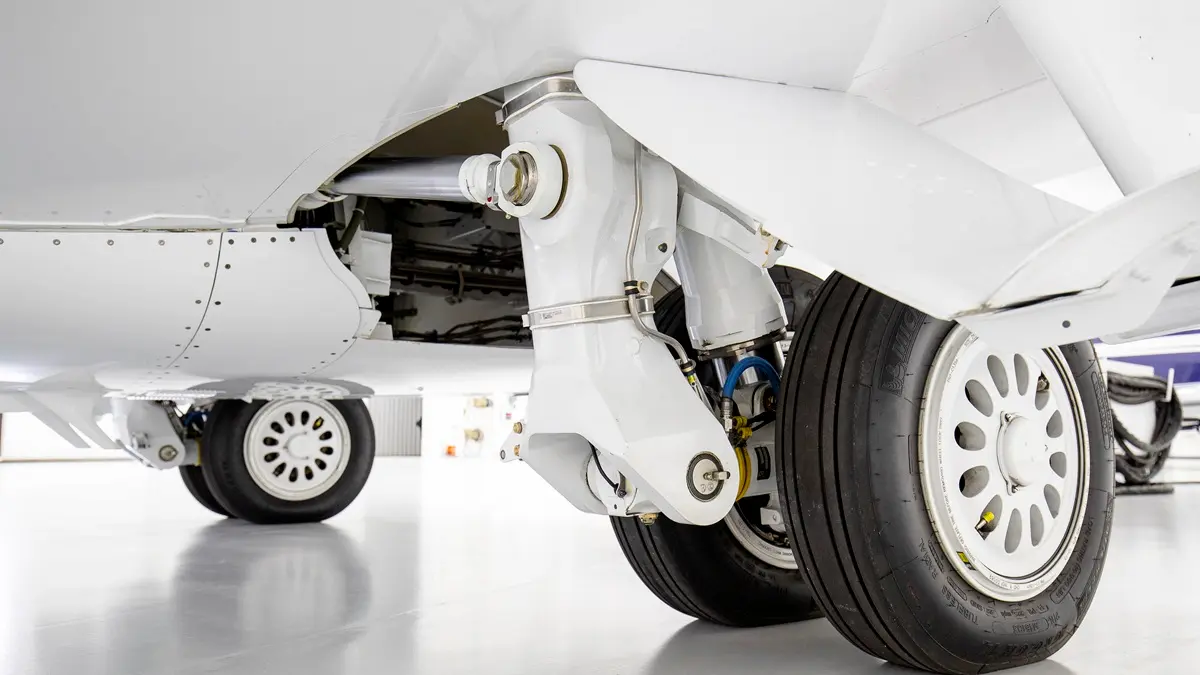
We make it easy to get the certified parts you need to get your plane back in the air.
1
Call AAI
Share your part number
2
Get a Quote
Clear pricing and timelines
3
Get Certified Parts FAST
Repair or exchange
Certified Cessna Parts and Services
AAI is an FAA and EASA Part 145 repair station that overhauls and exchanges hard-to-find accessories and landing gear for most Cessna models.
Actuators | Aileron trim tab actuators |
Alternators | Brake assemblies |
Brake master cylinders | Check valves |
De-ice valves | Downlock actuators |
Drag brace assemblies | Elevator trim tab actuators |
Flap actuators | Flap motors |
Flight control actuators | Fuel pumps |
Fuel selector valves | Hydraulic manifolds |
Hydraulic power packs | Hydraulic pumps |
Landing gear | Landing gear gearboxes |
Landing gear motors | Landing gear selector valves |
Landing gear transmissions | Magnetos |
MLG assemblies | MLG trunnions |
NLG assemblies | Oleo assemblies |
Parking brake valves | Pressure manifolds |
Regulators | Rudder trim tab actuators |
Shimmy dampers | Shock strut assemblies |
Stabilizer actuators | Starters |
Starter generators | Tach generators |
Uplock actuators | Vacuum manifolds |
Wheel assemblies |
Featured Content
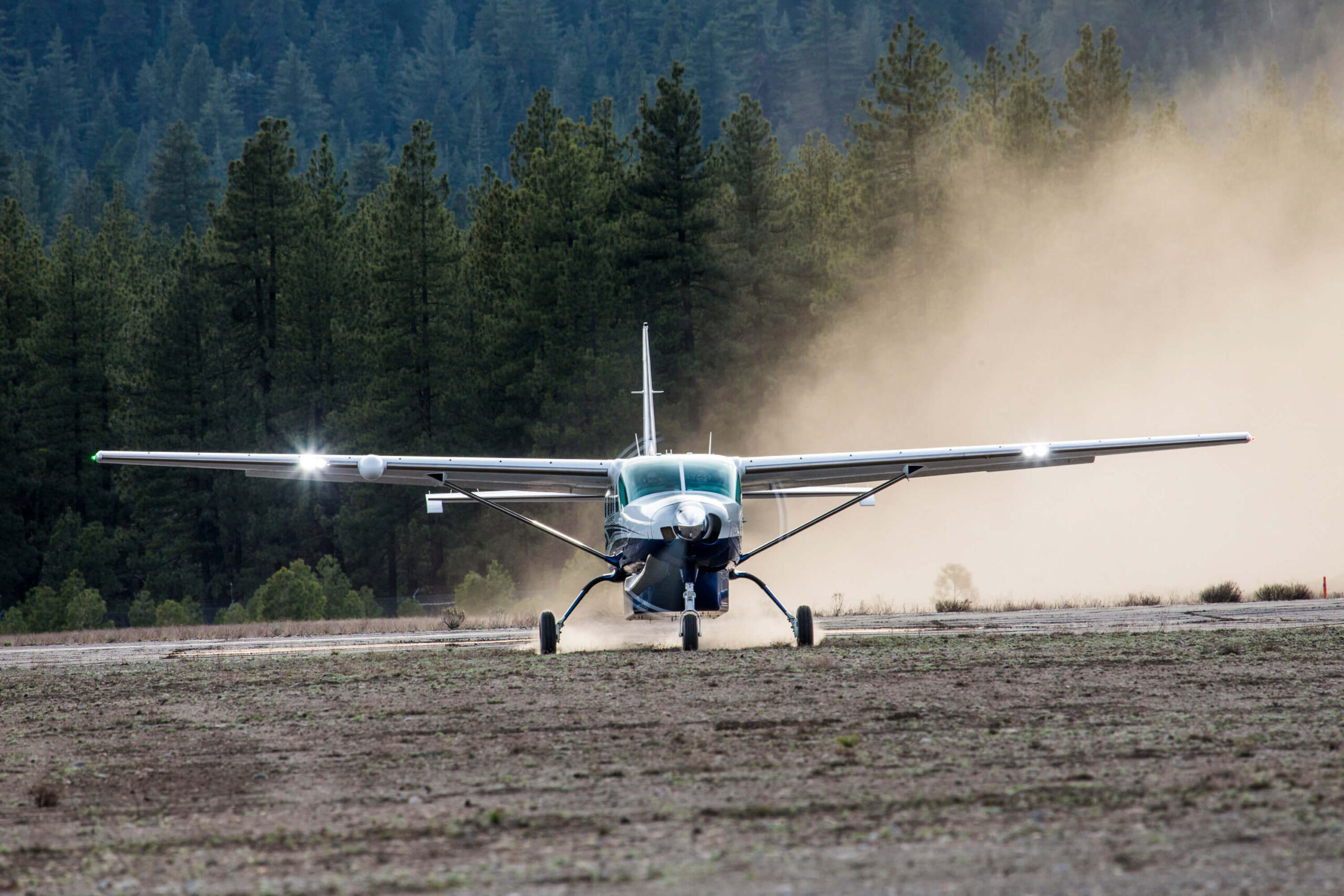
Cessna 208B Grand Caravan Landing Gear Repair
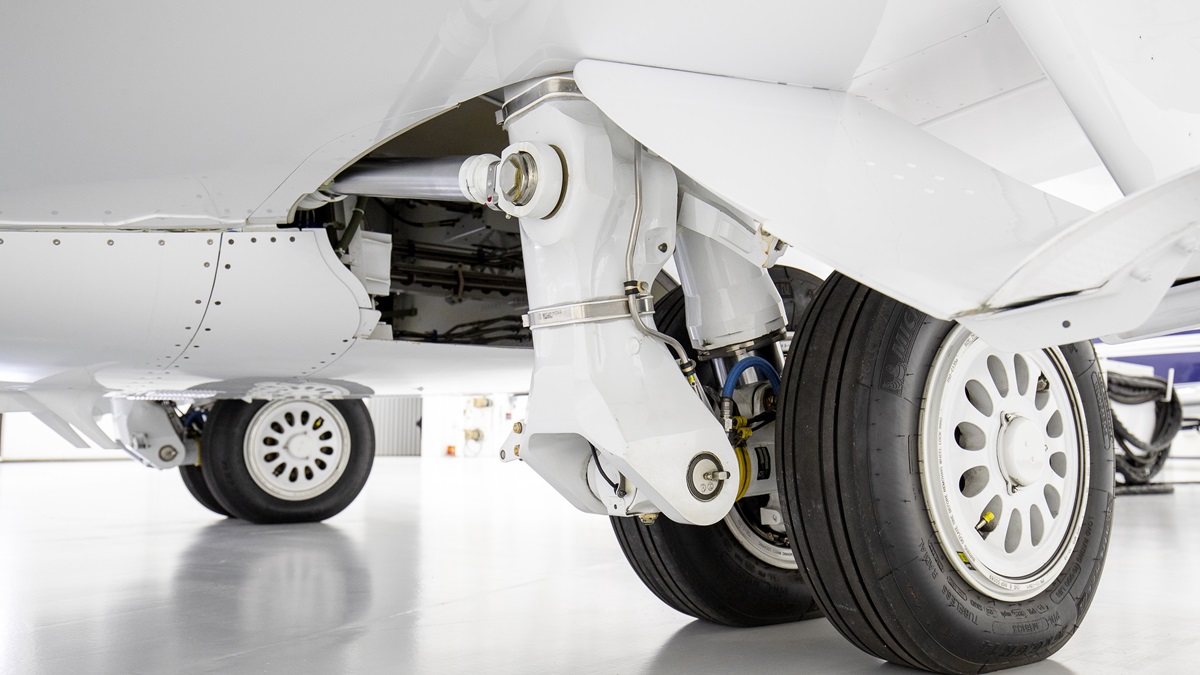
Maintenance and Repairs for Cessna Citation Main Landing Gear Corrosion
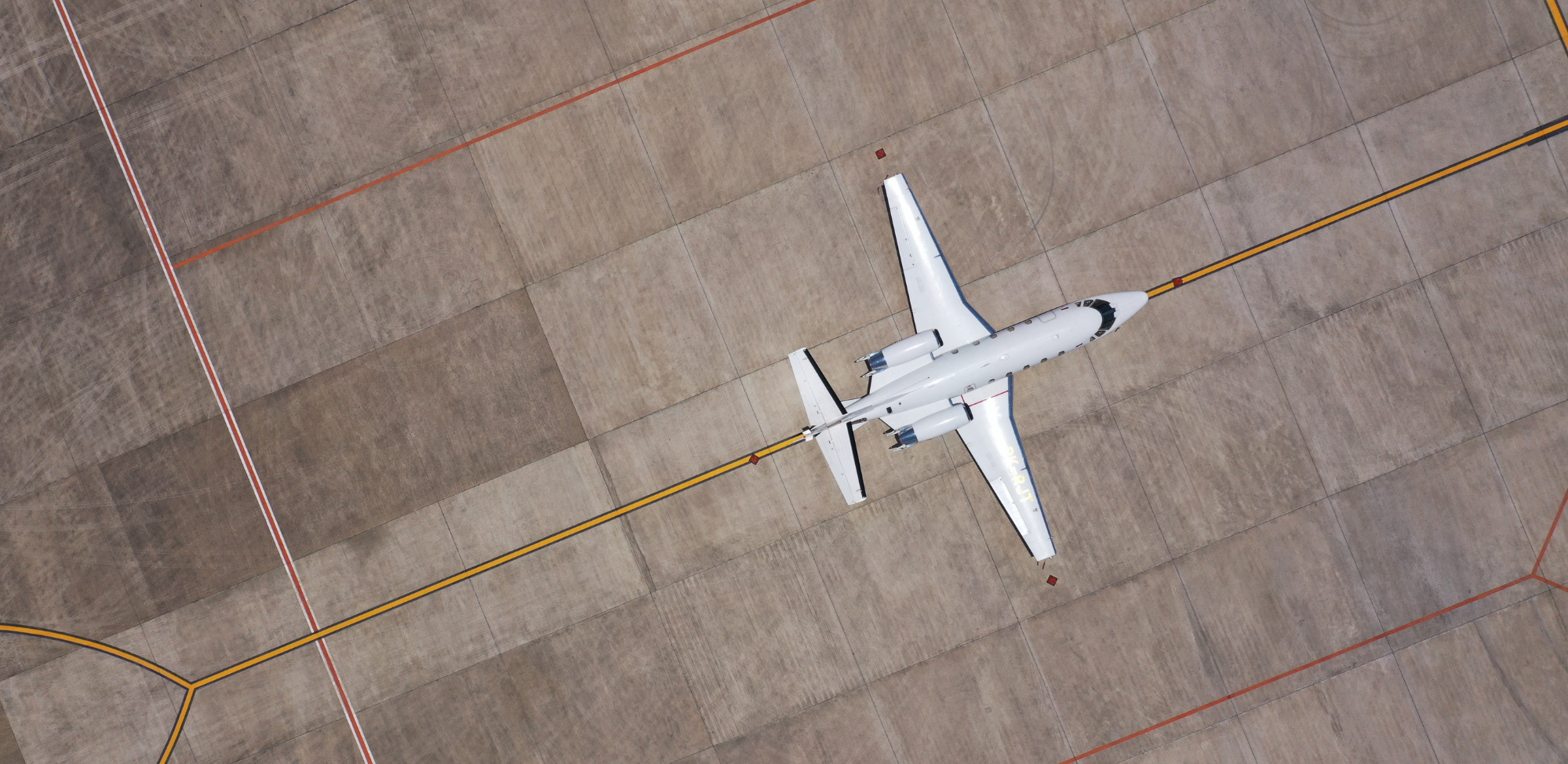
Cessna Citation Aircraft Parts and Accessories: Nose Landing Gear Shimmy Dampers
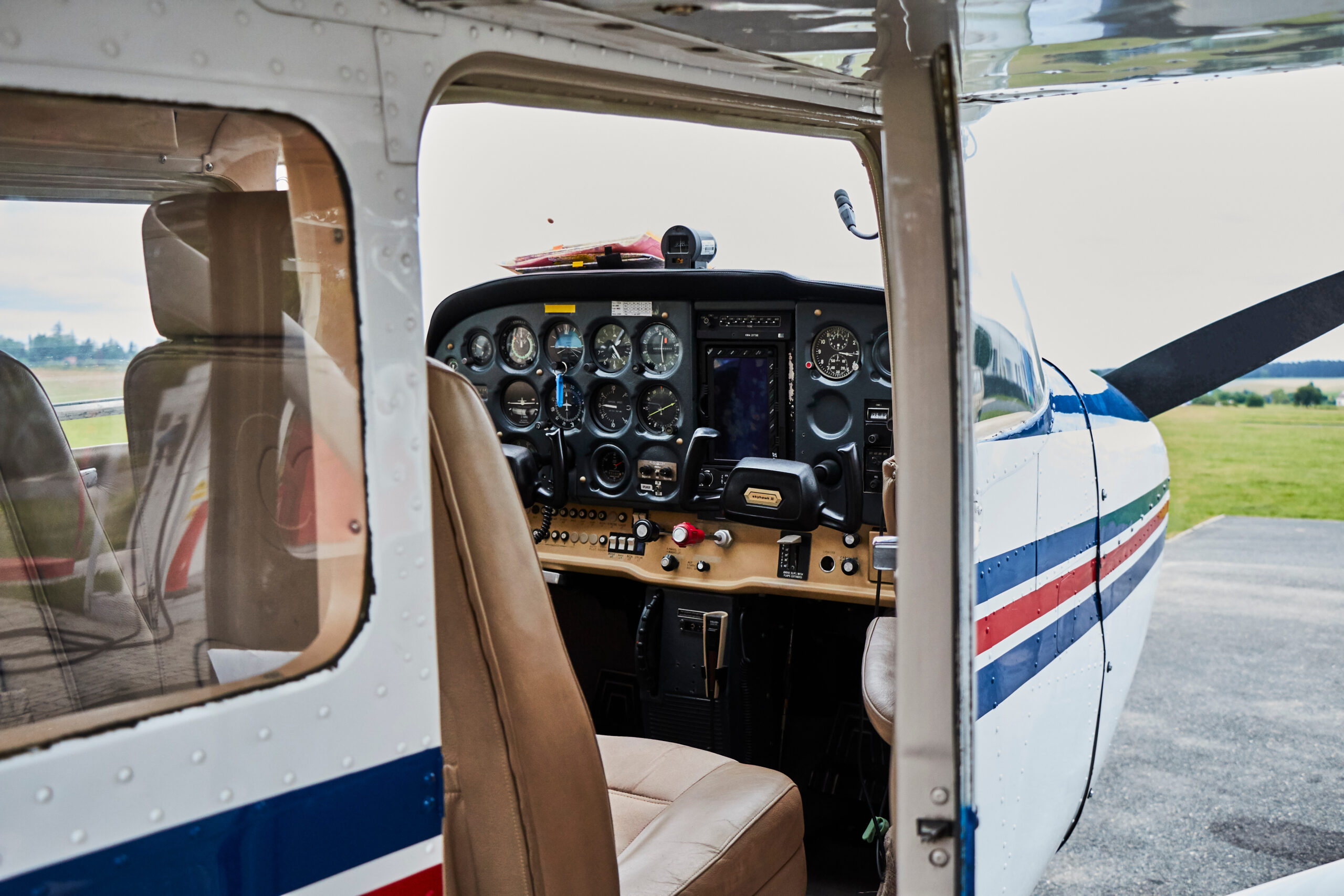
Cessna Aircraft Parts and Accessories: Fuel Selector Valves and Trim Tab Actuators
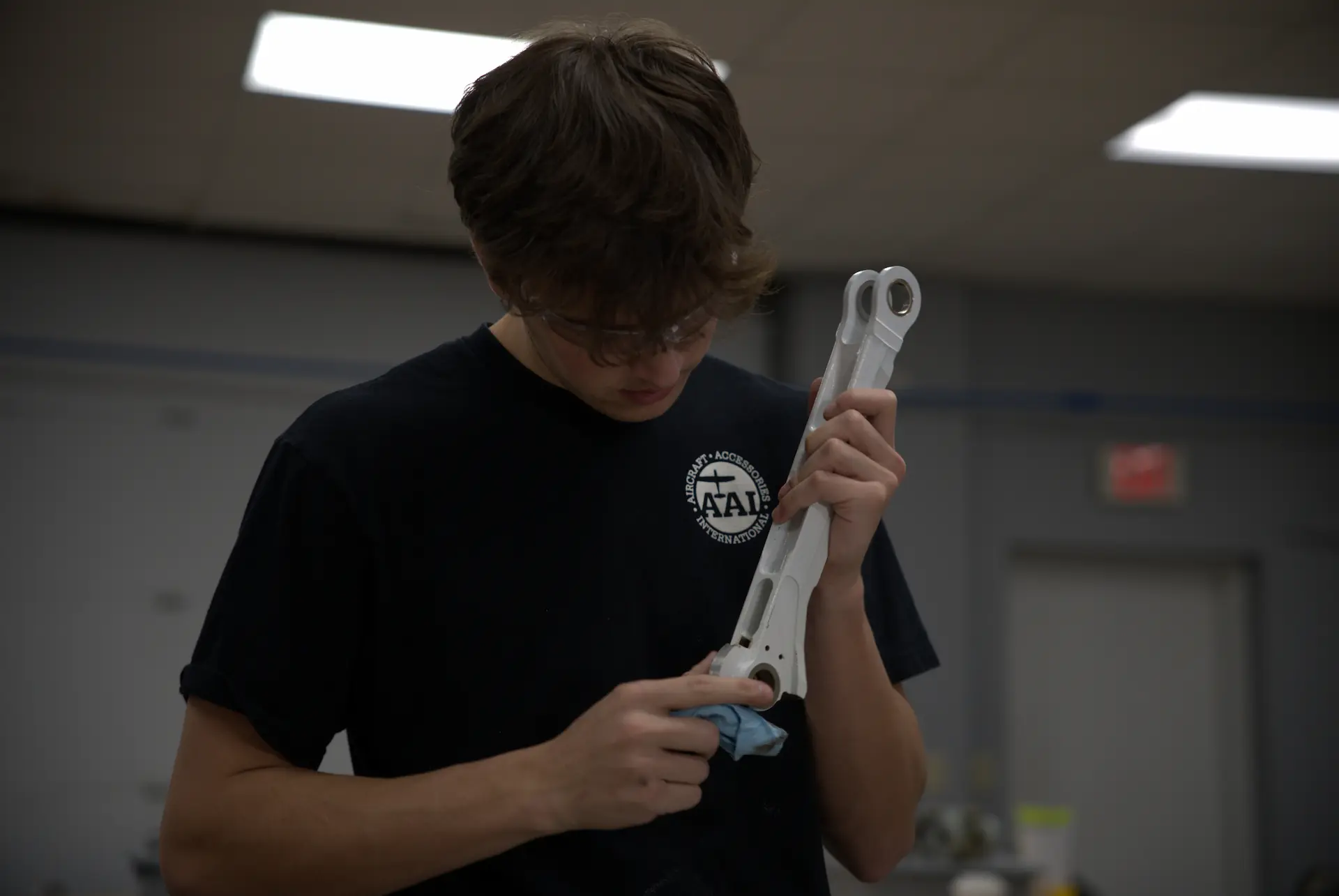
Need help planning your next Cessna landing gear or component inspection or restoration?
AAI is here to help you find the problems, solve them efficiently, and get your aircraft back in the air, safely and confidently.